 01
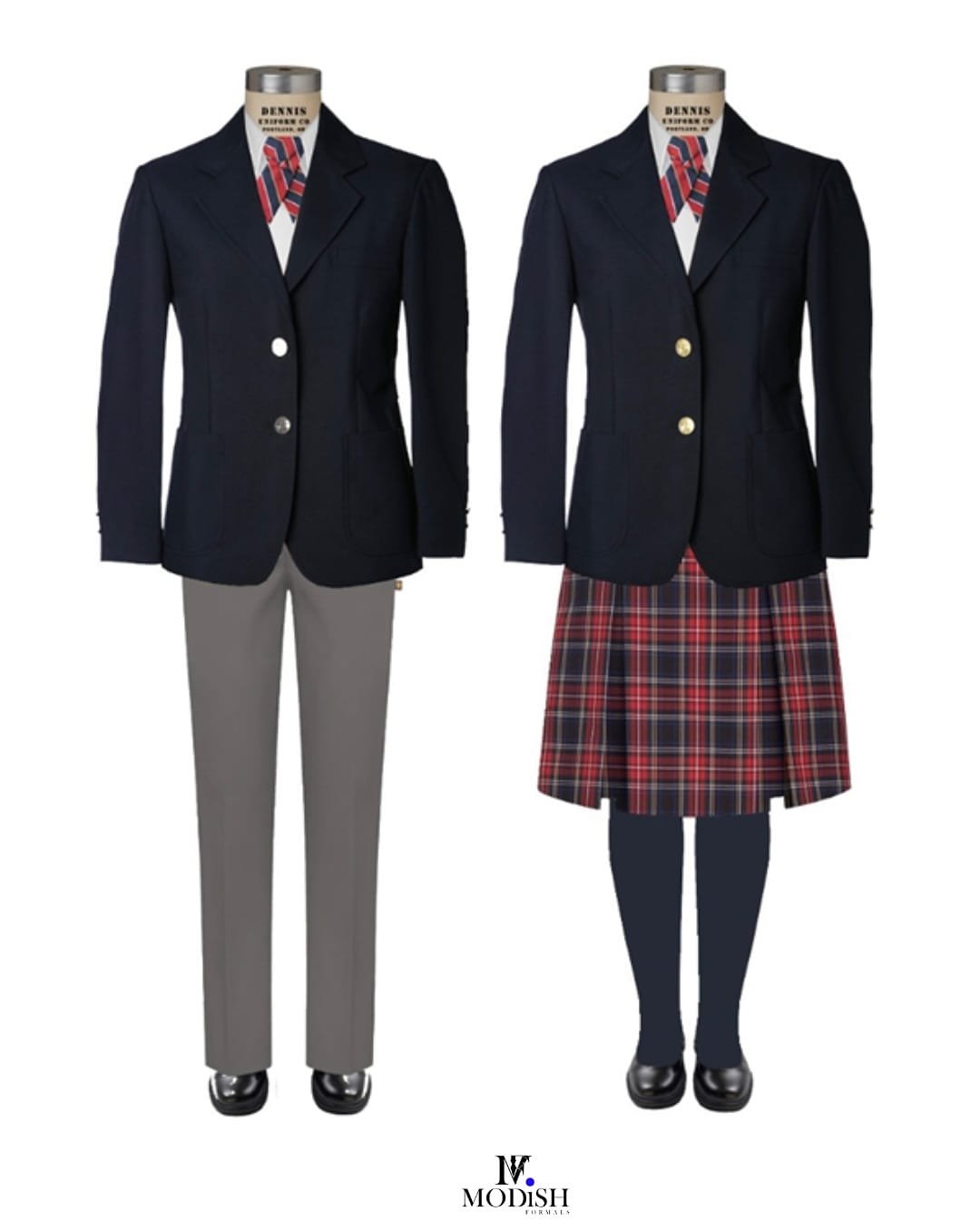
01School
Pinafores, blazers, sportswear, ties, and crested badges — per-school colour, crest, and fabric weight.
MOQ 200 unitsLead 10–14 days

Luxury textile manufacturing and bespoke garments — engineered in the thousands to a single exacting standard. Proudly made in Abuja, for the world.
Four disciplines. One standard. Built from the floor up — Abuja to the world.
Every order starts with a graded tech pack — seam specs, fabric callouts, and a sizing matrix verified before bulk cutting.
48 industrial machines and automated spreading hold one standard across 1,000+ garments a day.
Each piece is measured against the approved sample — stitching, finishing, and tolerances verified to ±2mm.
A 14-day average turnaround, nationwide dispatch across Nigeria, and coordinated export logistics.
Every line runs through the same engineered process — only the specification changes.
01Pinafores, blazers, sportswear, ties, and crested badges — per-school colour, crest, and fabric weight.
 02
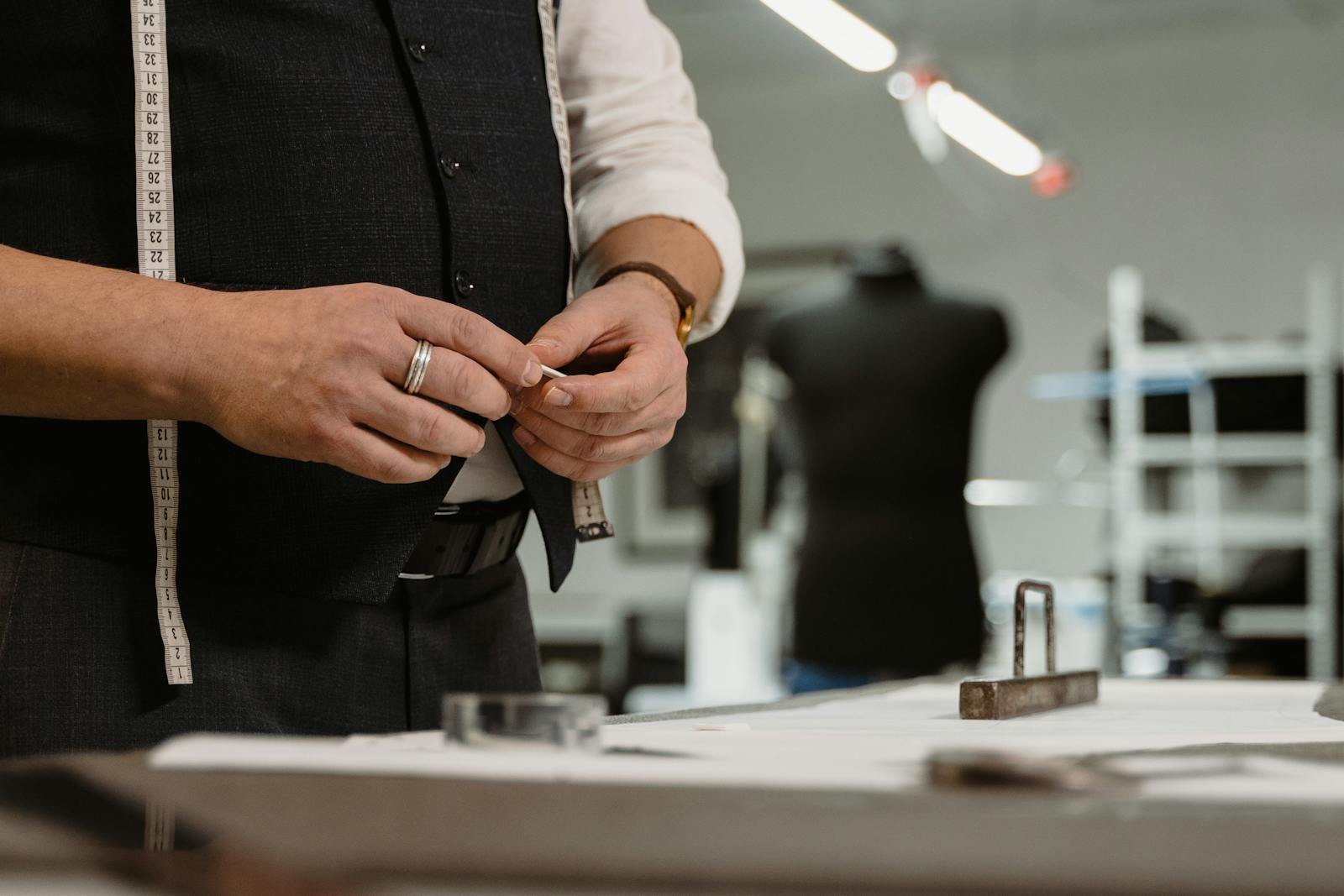
02Branded vests, polos, coveralls, and embroidered logos. Reflective trims for site work.
 03
03Scrubs, tunics, and lab coats. Antibacterial-treated fabrics, colour-coded by department.
 04
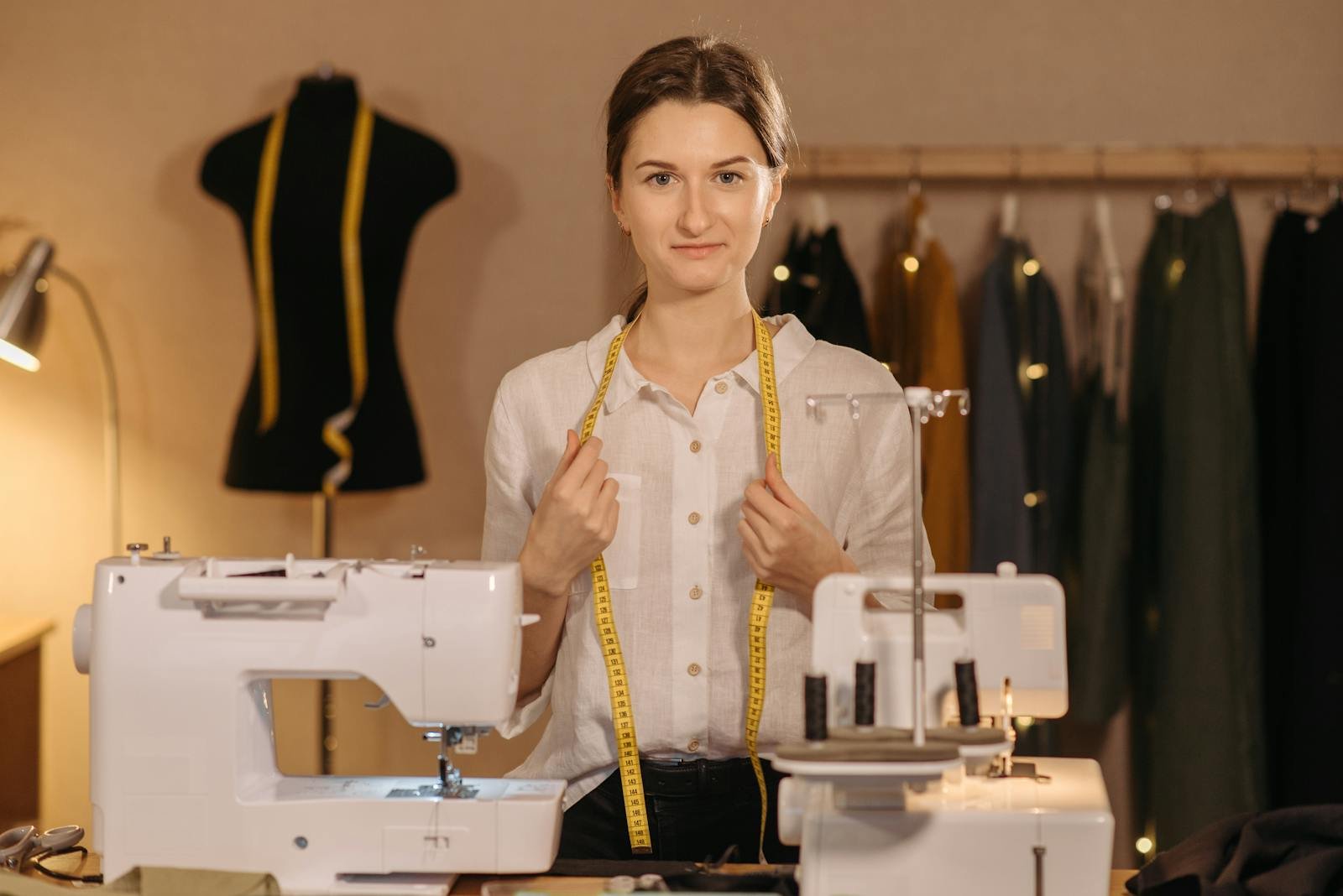
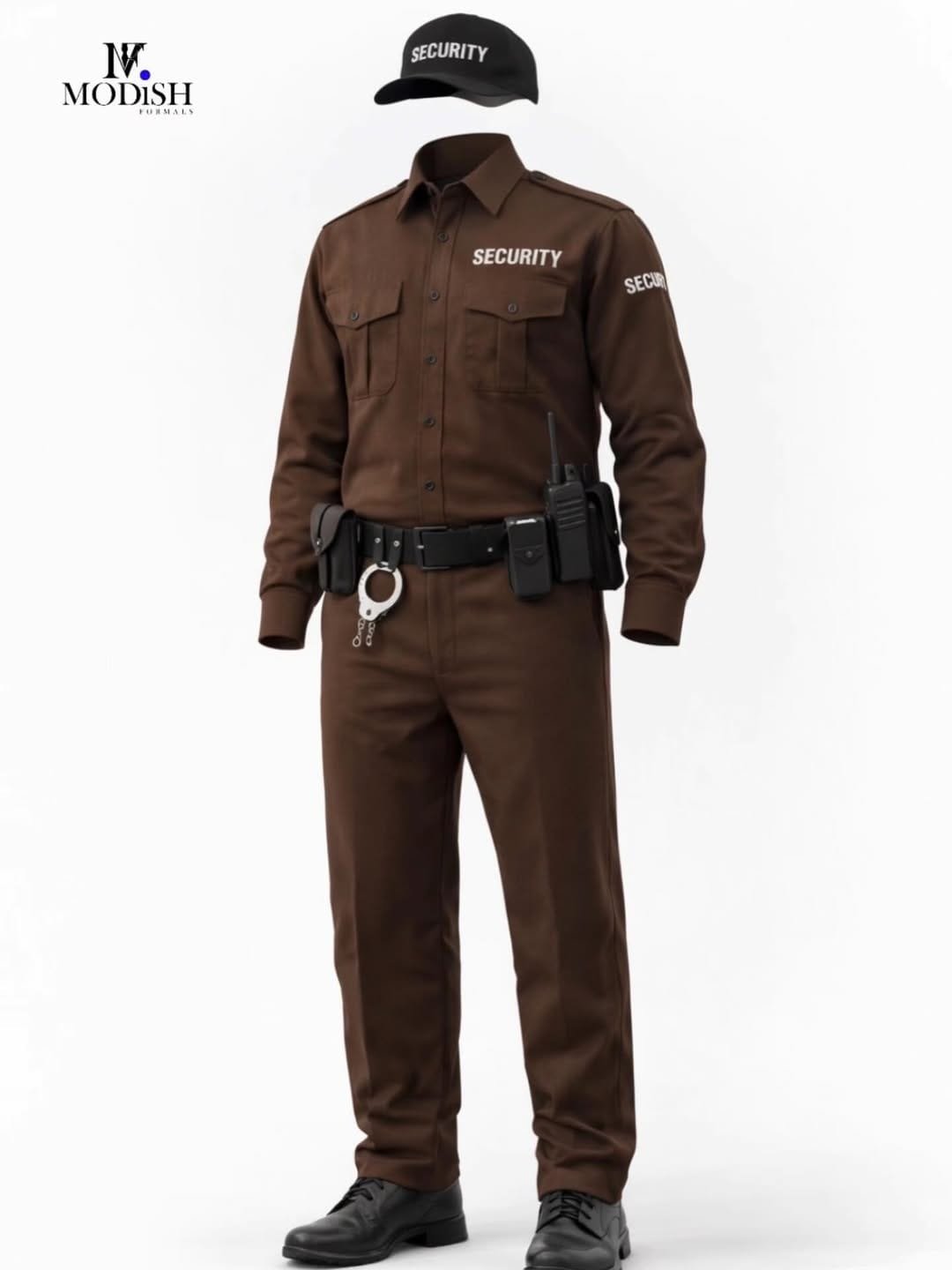
04Emergency-service wear, parastatal uniforms, and campaign regalia. High-volume runs.
 01
01 02
02 03
03 04
04.jpg) 05
05 06
06 07
07 08
08 09
09 10
10 11
11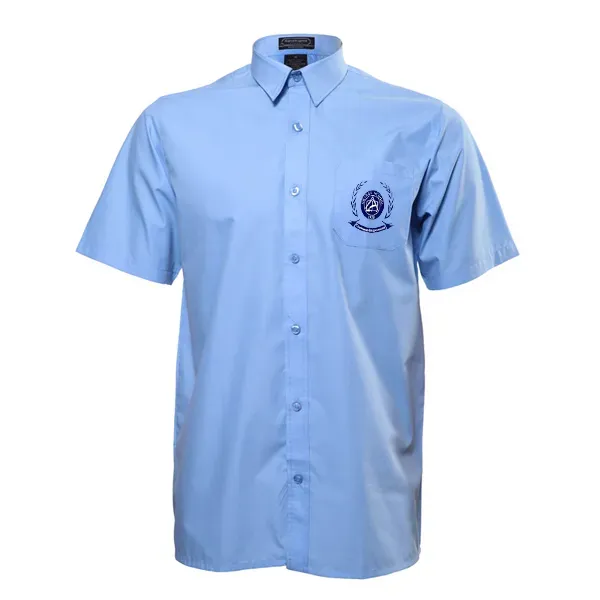 12
12 13
13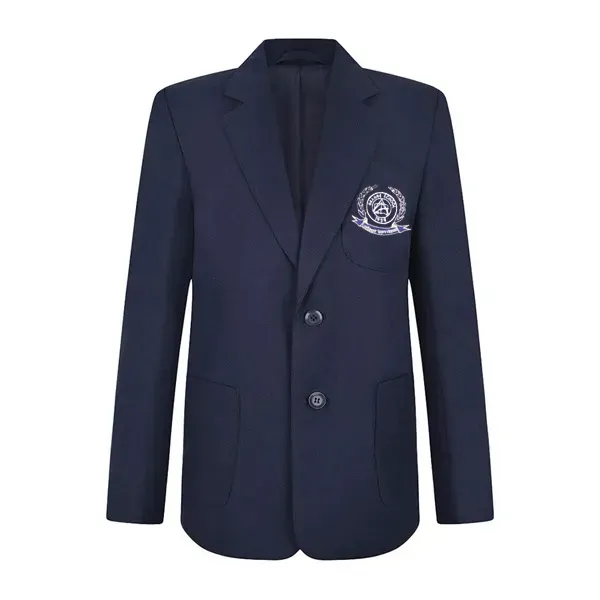 14
14 15
15 16
16 17
17 18
18 19
19 20
20 21
21 22
22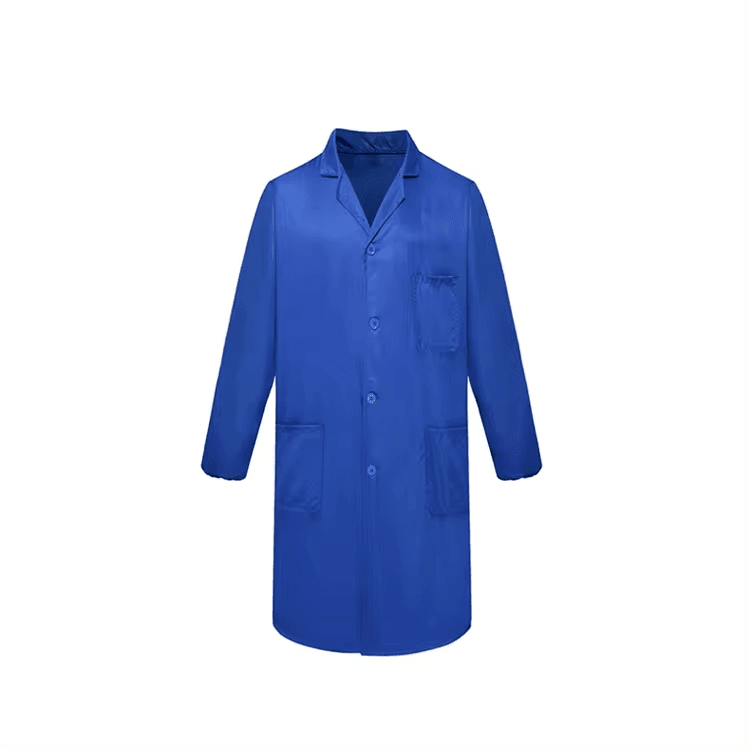 23
23 24
24 25
25 26
26 27
27 28
28 29
29 30
30 31
31 32
32 33
33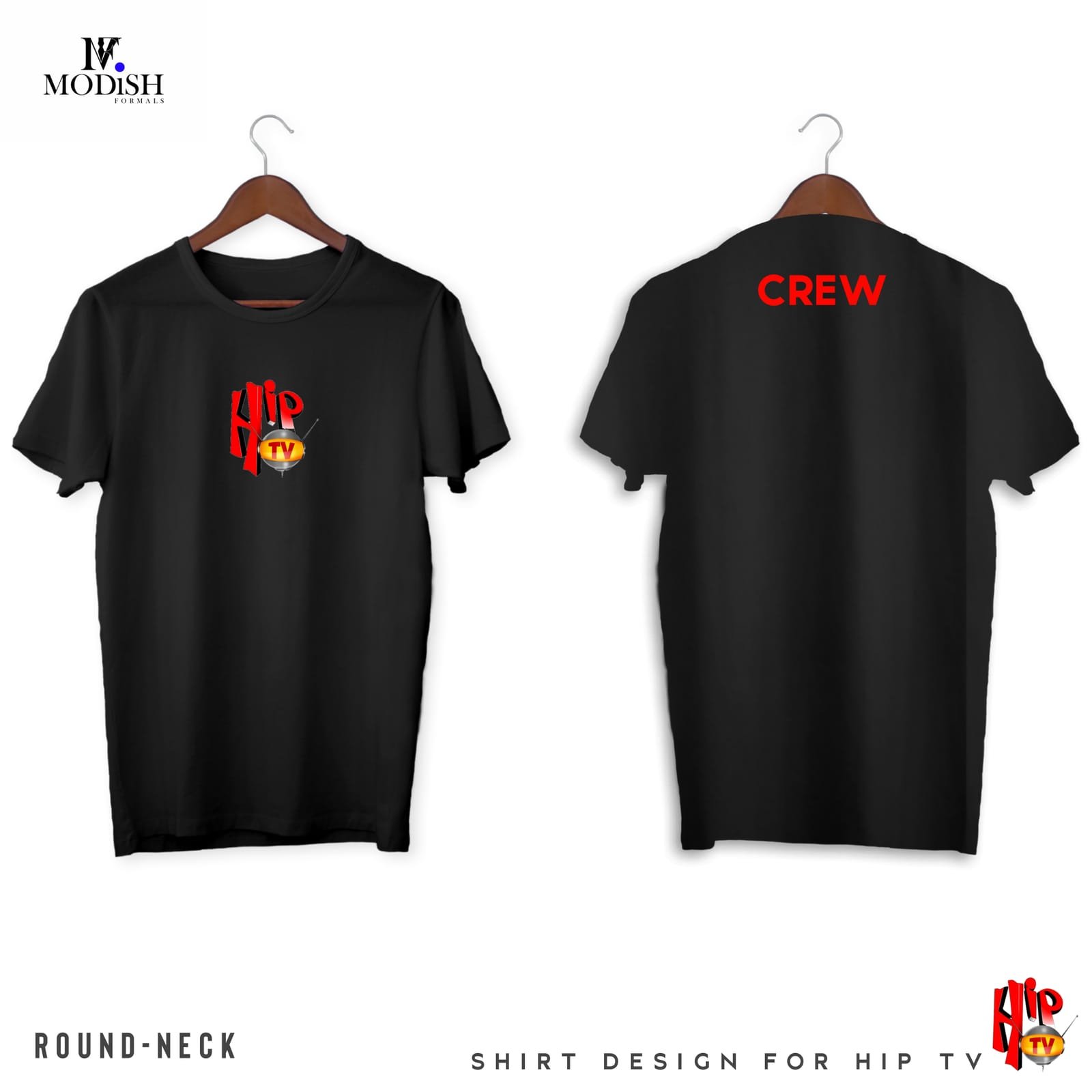 34
34 35
35.jpg) 36
36 37
37.jpg) 38
38Six engineered steps from initial brief to final delivery — each verified before the next begins.
You tell us the institution, the function, and the quantity. We document every detail: fabric weight, colour reference, sizing matrix, and any crest or logo requirements.
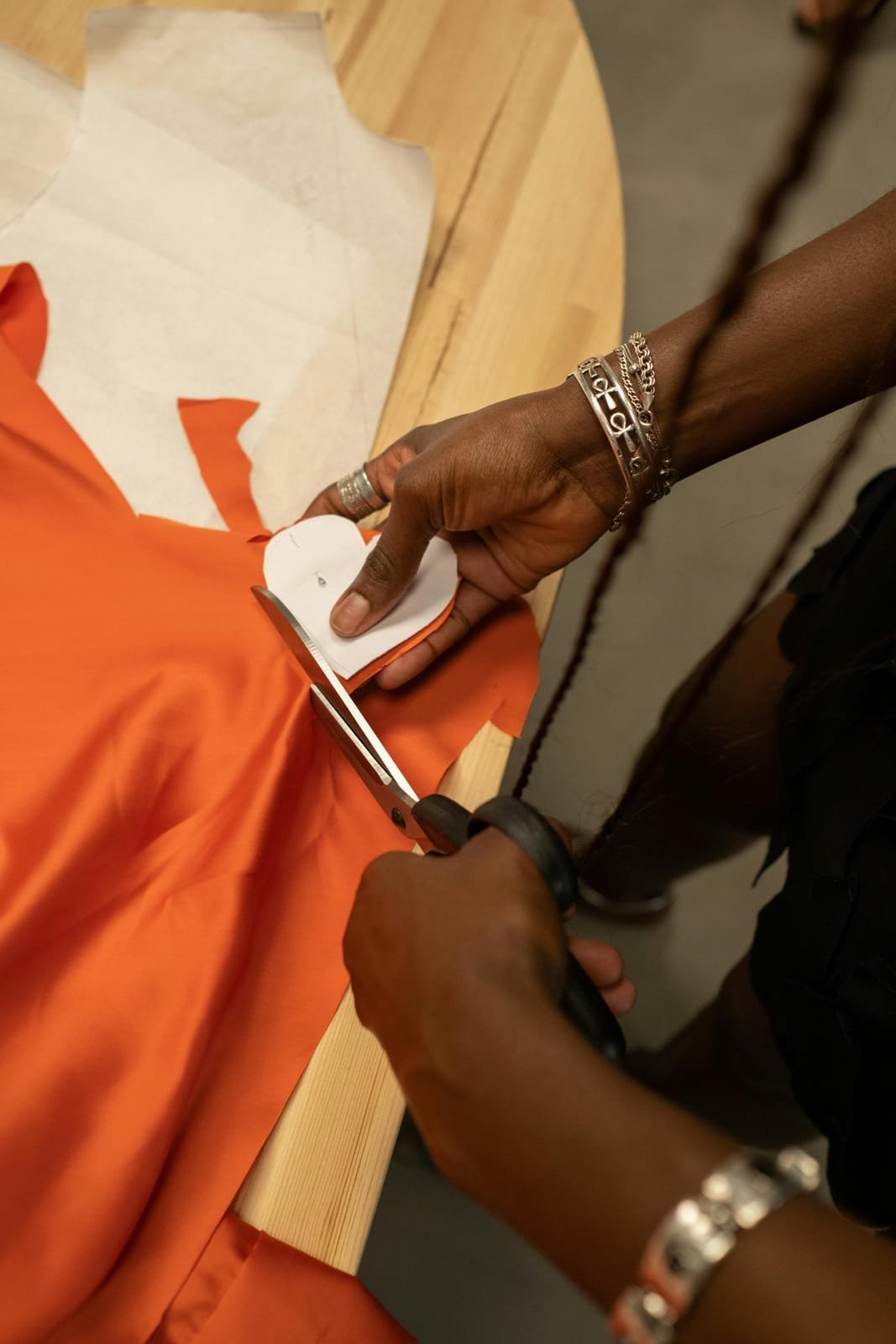
Our pattern engineers grade the sizes, write the seam specs, and call out every material by type and source. Nothing goes to the floor without a signed-off pack.
A single unit is cut and sewn before bulk begins. You review it. Only when the sample is approved do we spread the layers.
48 industrial machines run in sequence — spreading, cutting, assembly, finishing. Each operator owns one step; no unit skips any.
Every finished piece is measured against the approved sample. Stitching tension, hem tolerance, crest placement — checked unit by unit, not batch by batch.
Packed by size run, labelled per your specification, and dispatched. Nationwide across Nigeria; export logistics coordinated on request.
From the first spread of fabric to the final pressed seam, this is Modish in motion. Automated spreading, layered cutting, and assembly-line sewing — a thousand garments a day, made in Nigeria.
A brief becomes a pattern, a pattern becomes a cut, and a cut becomes a finished, inspected garment. We sample, fit, and refine before bulk — then hold that exact standard across a thousand garments a day.
A fully industrial garment house built to turn out 1,000 garments a day. In-house pattern cutting, automated spreading, and a team that has run production since day one.
.jpg)
.jpg)
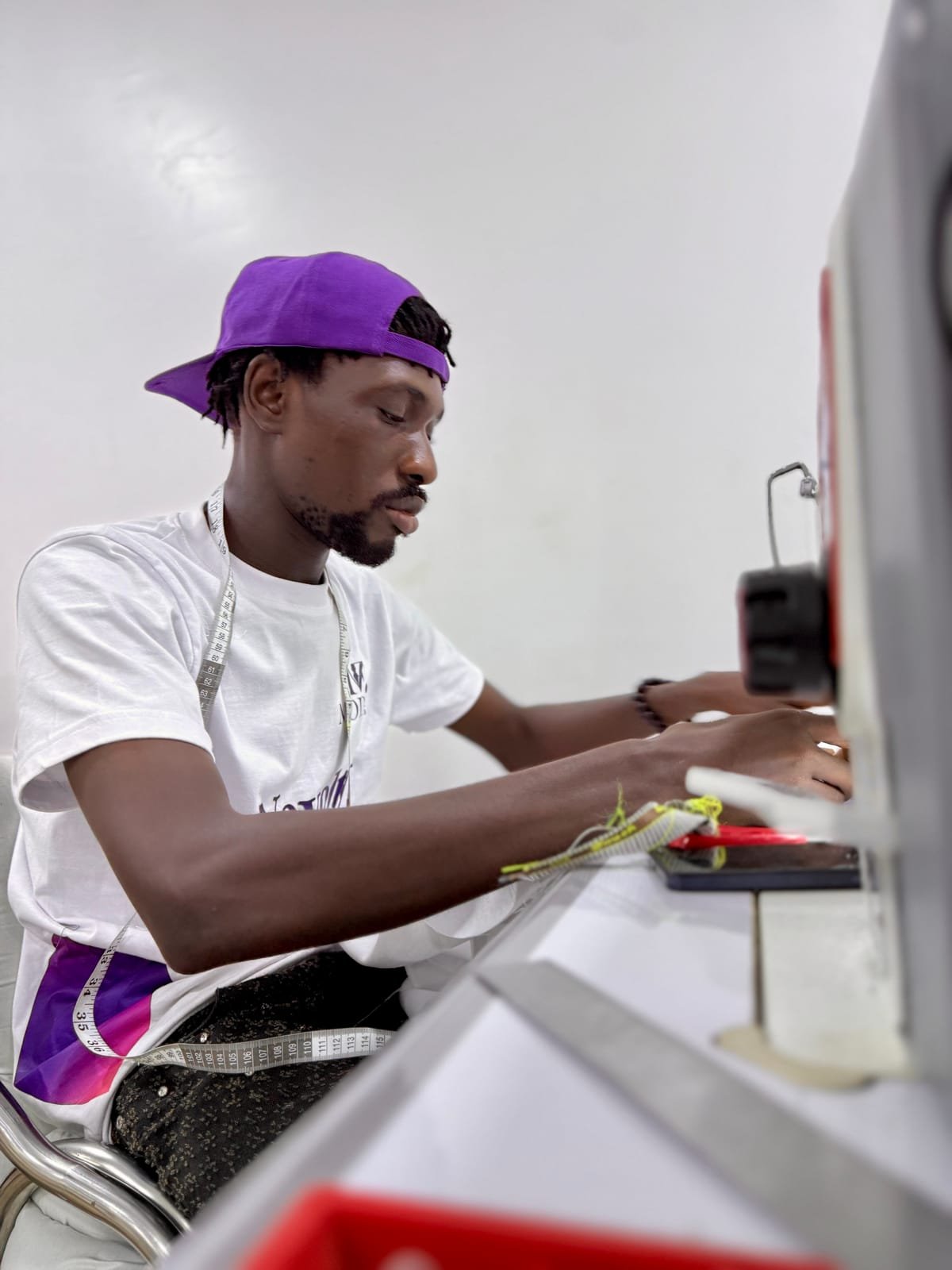
Behind every Modish garment is a skilled Nigerian team — cutters, machinists, and pressers who have run production for years. A thousand garments a day, every one held to the same standard.

.jpg)
The opening of our new facility doubled as a homecoming — and a Governor walked our cutting tables, spreading machines, and sewing lines. Real recognition that a garment house run from Nigeria can build at scale and hold a world standard.
Garments produced every day
Monthly output by line
Scales with seasonal demand
Developing Nigeria's garment sector
It started in Abuja in 2016 — one workshop, a handful of machines, a single exacting standard. Today Modish turns out a thousand garments a day for the institutions that can't look ordinary: schools, hospitals, security agencies, corporate campuses — every piece cut and sewn by hand, measured to ±2mm, and checked before it ever leaves the floor. From Abuja to the world.
Est. 2016 — Abuja to the world
48 machines · 1,000 garments a day

“Ten years ago, we set out to prove that a garment house run from Nigeria could hold a world standard. Today, our new facility turns out a thousand garments a day — every stitch held to that same promise.”
What started as a single workshop is now a fully industrial house dressing corporate offices, schools, and hospitality across Nigeria and beyond. A decade in, this is not our summit — it is the foundation for everything Modish builds next.




From staff uniforms to a full branded wardrobe — premium fabric, tailored fit, delivered at scale. Tell us your vision.